

Memos will briefly refer to a news development, media report, new or historic image/video, map, and the like. You will not receive email notifications for newly posted memos, which can be found via specific tags corresponding to specific sections/newsletters, where you will find longer posts.
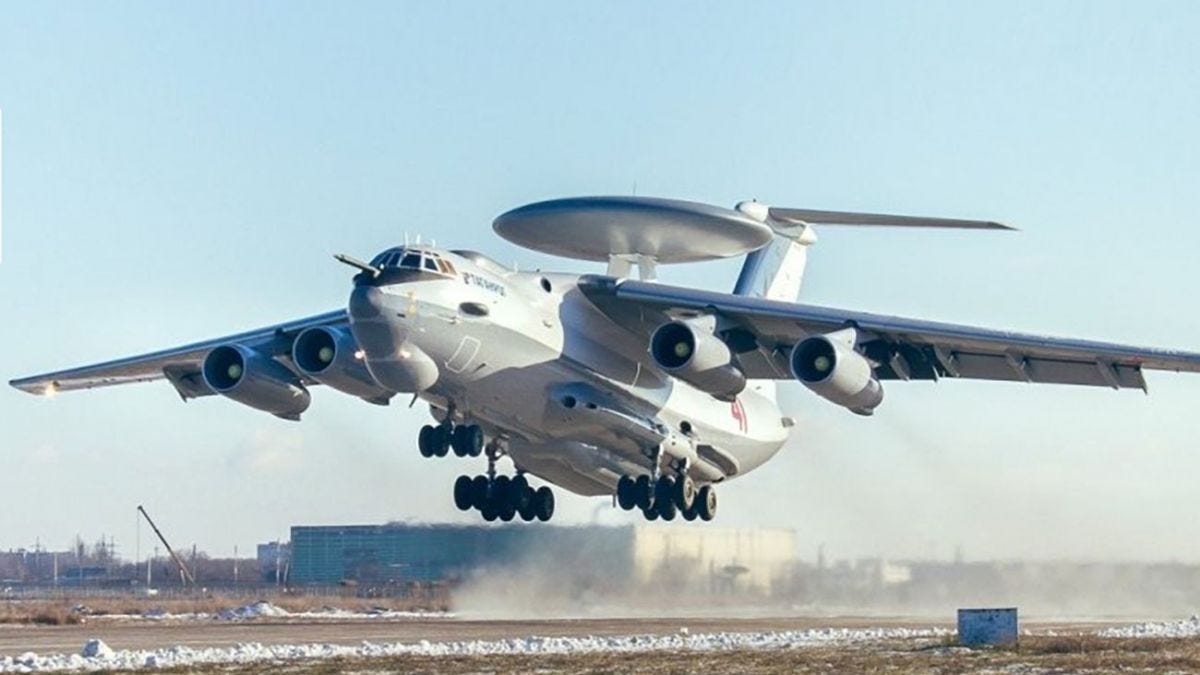
Air defence data from the Russia-Ukraine War remains extremely problematic when it is taken at face value with “lessons learned” and extrapolated to other contexts without the required level of analytical nuance. It bears emphasis that the data is analytically problematic even if Russia and Ukraine present data that is 100% accurate. One example of how problematic air defence data can be: both Russia and Ukraine are intercepting adversary strike drones with very few airborne early warning and control (AEW&C) aircraft, which are particularly well-suited to detecting low-altitude targets and alerting friendly fighter aircraft and ground-based air defences to the presence of aerial targets that they may otherwise not detect or detect at a much later time. This is a particular problem for Russia and, as such, when it comes to making sense of data on the effectiveness of Russian air defences against Ukrainian strike drones and cruise missiles/effectiveness of Ukrainian strike drones and cruise missiles. If Russia, the world’s largest country, possessed even a dozen AEW&C aircraft, Russian air defences would likely be performing much better. The same, of course, also applies to Ukraine.